
Tennessee
Our mission is to save lives by meeting the most critical needs of our communities and investing in breakthrough research to prevent and cure breast cancer.
Tennessee
Our mission is to save lives by meeting the most critical needs of our communities and investing in breakthrough research to prevent and cure breast cancer.
Need Help?
Call our breast care helpline to assist with finding local screening and diagnostic facilities or clinical research trials, requesting financial assistance, or other questions or care needs.
Get Involved
Help us reach our vision of a world without breast cancer by getting involved in our local community.
Susan G. Komen Nashville
MORE THAN PINK WALK
Saturday, October 5, 2024
Join us as we unite in the fight against breast cancer. Together, we’ll raise crucial funds to help those impacted by breast cancer when they need it most.
Ending breast cancer needs hope.
Ending breast cancer needs compassion.
Ending breast cancer needs all of us.
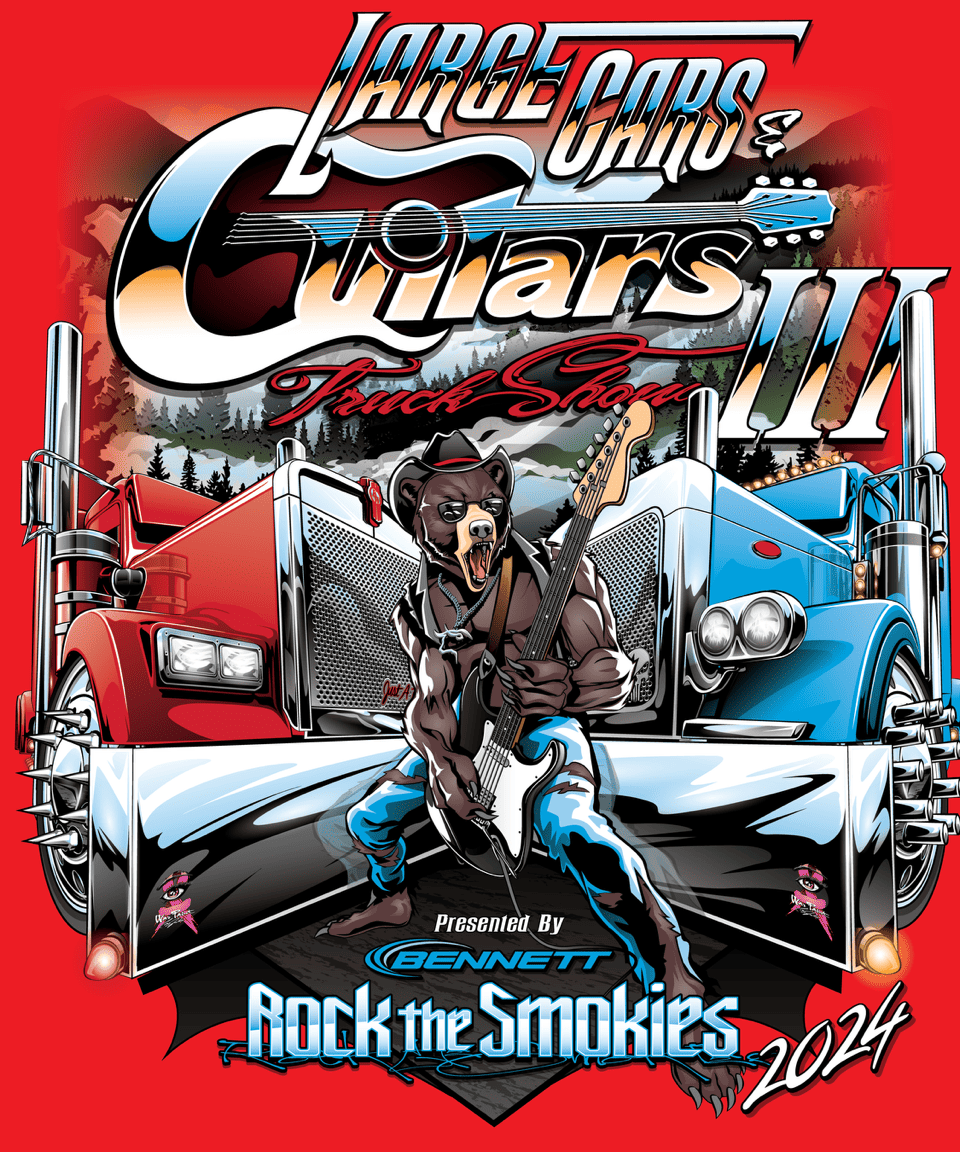
Large Cars & Guitars Truck Show
The annual Large Cars & Guitars Show takes place May 9-11 at Smokies Stadium in Kodak, TN. This year’s event benefits Susan G. Komen and is free for attendees. There will be a LIVE AUCTION on Saturday, May 11.
Register for Free
Wacoal Fit For The Cure
Did you know that your bra size can change over time? For 25 years, Wacoal has offered complimentary bra fittings at their bi-annual Fit for the Cure event series. Anyone can now find their perfect fit and help support people facing breast cancer, as Wacoal will generously donate $5 to Komen for every customer who receives a bra fitting and purchases a regular priced Wacoal or b.tempt’d bra
Find the Fit for the Cure in your area
Go Pink for the Cure!
When you organize a Go Pink for the Cure event, your school community’s passion and determination can help make a real difference in our mission to end breast cancer forever. Let’s get started!
Learn More
Share Your Story
Breast Cancer Moments
Sharing our stories helps us draw strength from one another. We invite you to share your own story to inspire, comfort, and support others.
We want to hear your story!Local Events
Join the fight to end breast cancer by attending an event in Tennessee!
Questions? Contact Us

ShareForCures
Your breast cancer information is as unique as you are. When combined with thousands of other ShareForCures members, you provide scientists with a more diverse set of data to make new discoveries, faster.
Latest News & Information

Tammy’s Story: From Day One, My Nurse Navigator Was an Important Part of My Team
For someone newly diagnosed or in the midst of treatment, Tammy recommends reaching out to a navigator. “They’ve been across from someone in your shoes many times. They’ve held the hands of women and men with breast cancer and are there to guide you. If I had trouble getting an appointment, my nurse navigator stepped in,” she said.
The post Tammy’s Story: From Day One, My Nurse Navigator Was an Important Part of My Team appeared first on Susan G. Komen®.
Statement on Elimination of a Funding Increase for the New York State Cancer Services Program
ALBANY – Susan G. Komen®, the world’s leading breast cancer organization issued the following statement on the elimination of the $2.5 million funding increase for the Cancer Services Program (CSP) in final FY25 budget approved by Governor Kathy Hochul. The $2.5 million increase was included in the State Assembly’s One-House Budget proposal sent to the […]
The post Statement on Elimination of a Funding Increase for the New York State Cancer Services Program appeared first on Susan G. Komen®.
Tennessee
Contact Us
Susan G. Komen Tennessee
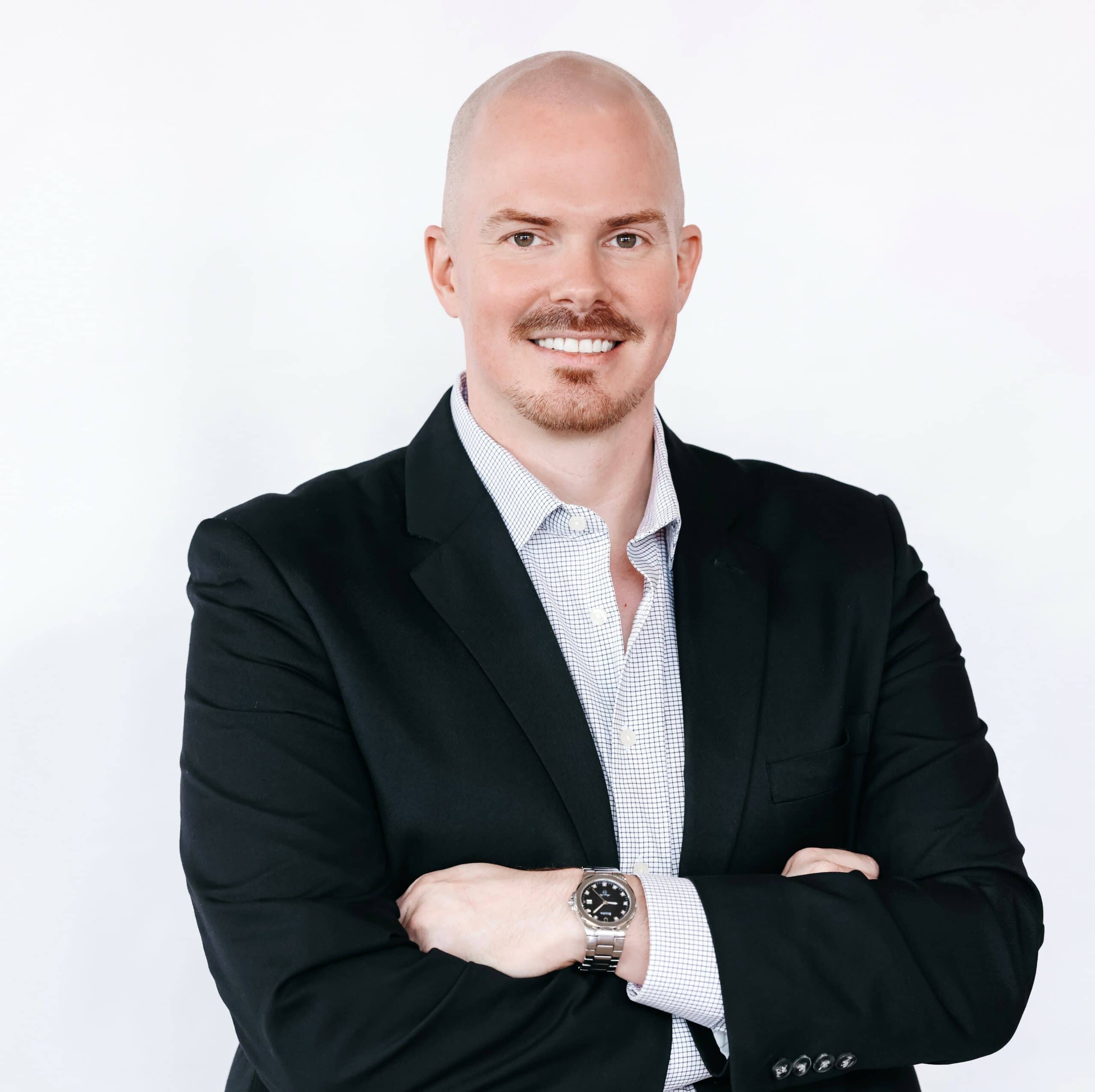
State Executive Director, TN, MS & AL: Joshua Daniel
Email: jdaniel@komen.org
Phone: 615-928-2269